

Flooded Streets, Real Stakes: What Tropical Storm Bertha Taught Fort Bend County Drivers
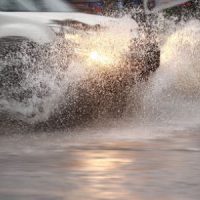
On July 23, 2026, Tropical Storm Bertha pushed inland across southeast Texas and dropped heavy rain on Fort Bend County, turning familiar streets in Sugar Land and Missouri City into slow moving channels of floodwater. The National Weather Service issued a flash flood warning for the area as drivers found themselves navigating intersections that looked nothing like the roads they use every day. Storms like Bertha are a reminder that some of the most dangerous driving conditions in our region do not come from reckless speed or distracted texting. They come from water, poor visibility, and split second decisions made under pressure.
When a Familiar Commute Turns Into a Hazard
High water crossings are deceptively dangerous. A road that appears passable can hide a dip deep enough to stall an engine or sweep a vehicle off course. Hydroplaning becomes far more likely once standing water builds on asphalt, and stopping distances stretch out considerably. When another driver misjudges these conditions and causes a collision, or when a vehicle loses control and strikes another car, a fender bender from a normal afternoon can become something far more serious.
Bad Weather Does Not Erase a Driver’s Duty of Care
One of the most common misconceptions after a weather related crash is the assumption that nobody can be held responsible because the storm was to blame. Texas law does not see it that way. Every driver owes others on the road a duty of reasonable care, and that duty does not disappear just because rain is falling. If a driver ignores posted warnings, drives too fast for flooded conditions, or fails to slow down appropriately given reduced visibility, that driver can still be found negligent. Insurance companies often lean on the storm itself as a convenient excuse to minimize a claim, which is exactly why a careful review of the facts matters.
Sharing Responsibility When the Roads Are Slick
Storm related collisions frequently involve more than one contributing factor, and Texas follows a modified comparative fault framework for these disputes. Under Texas Civil Practice and Remedies Code Section 33.001, an injured claimant cannot recover damages if their own percentage of responsibility exceeds fifty percent. Any recovery that is awarded gets reduced by the claimant’s own share of fault. That means the way fault gets allocated after a flood related crash can make or break a case, and insurers know it.
If you were injured in a car accident during Tropical Storm Bertha or in any other severe weather event across Fort Bend, Harris, or Brazoria County, you do not have to sort through the fault questions on your own. At Henrietta Ezeoke Law Firm, clients work directly with the same attorney from their first conversation through the resolution of their case, not a rotating cast of case managers. Our Missouri City car accident lawyers bring more than two decades of experience to every claim we handle. Contact our team today for a free, no obligation consultation, and let us begin advocating on your behalf.
Source:
statutes.capitol.texas.gov/Docs/CP/htm/CP.33.htm#33.001